
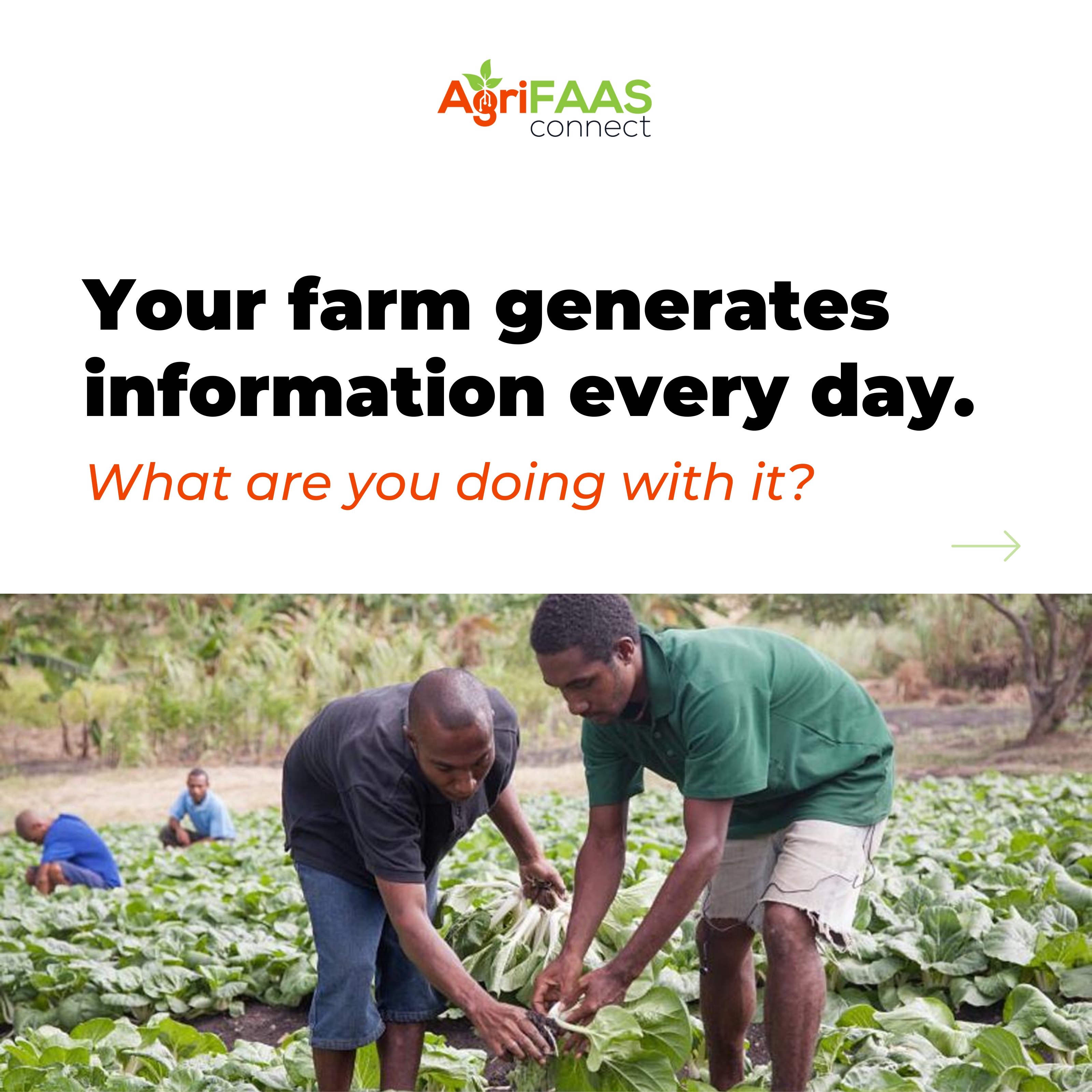
The African Farming Context Is Different — Your Software Should Reflect That
Most farm management software reviews assume you're running a 500-acre corn operation in Iowa with fibre internet, a tractor with GPS autosteer, and a bookkeeper on staff. That's not the reality for most African agribusinesses.
The African farming context includes:
- Unreliable internet in rural areas — you need offline-first tools
- Smallholder aggregation — you're often managing dozens or hundreds of out-growers, not just one farm
- Mixed cropping and livestock on the same operation
- Multi-currency operations — GHS, USD, CFA, NGN, KES
- Cooperative and extension service relationships — your software needs to support multi-stakeholder workflows
- Solar-powered infrastructure — your farm may run on off-grid energy
- Informal markets alongside formal ones — your sales tracking needs flexibility
When you're evaluating farm management software, these realities should drive your decision — not feature lists designed for American or European farms.
The 7-Point Evaluation Framework
Point 1: Does It Work Offline?
This is non-negotiable for most African farms. If the software requires a constant internet connection, it will fail you in the field.
What to check: Can you record activities, log data, and generate reports without internet? Does it automatically sync when connectivity returns? Is it a PWA that works in any browser?
Point 2: Does It Handle Your Financial Reality?
A farm is a business. If your software can't produce proper financial statements, you're flying blind.
What to check: Does it support double-entry bookkeeping? Can it auto-generate journal entries from your sales and purchases? Does it produce P&L, balance sheets, and cash flow statements? Can it handle multiple currencies?
Point 3: Does It Manage Your People?
Farm labour is typically your largest operating cost. If your software doesn't track who's working, when, and for how much, you're overspending.
What to check: Employee records and contracts? Timesheets and attendance? Automated payroll with payslips? Is payroll integrated with accounting?
Point 4: Does It Support Extension Services and Cooperatives?
If you work with agricultural extension officers, cooperatives, NGOs, or government programmes, your software needs to support those relationships.
What to check: Farmer directories and out-grower registries? Field visit logging? Data collection workflows? Shared knowledge base?
Point 5: Does It Give You AI-Powered Insights (Not Just Dashboards)?
Most farm software shows you what happened. The best software tells you what to do about it.
What to check: Yield predictions from your actual data? Photo-based crop disease diagnosis? Financial recommendations? Confidence levels and data sources?
Point 6: Is It Built for African Conditions?
Tools built in the US or Europe make assumptions about infrastructure, farm sizes, payment systems, and digital literacy that don't always hold in Africa.
What to check: Was it built by a team that has actually farmed in Africa? Does it understand cooperative governance? Is customer support available in your time zone? Is pricing accessible?
Point 7: Can It Grow With You?
You don't need 25 modules on day one. But you need to know they're available when you're ready.
What to check: Modular expansion? Scale from single farm to multiple hubs? Multi-user collaboration with role-based permissions? Can it handle 10 acres today and 250+ tomorrow?
The Decision: AgriFAAS Connect Farm Manager
If you're an African agribusiness evaluating farm management software, AgriFAAS Connect was built for you:
- Built in Ghana, by farmers who coded
- 25+ integrated modules (operations, finance, HR, AI, AEO, inventory, and more)
- Offline PWA — works without internet
- Double-entry accounting with multi-currency consolidation
- AI insights across 9 functional domains
- AEO & Cooperative module for extension services
- Proven with 38 agribusinesses and 89 users across Ghana
- Free tier to start, no credit card required
Start free at app.agrifaasconnect.com
Keep reading from our Insights series: